How to Start a Streetwear Brand in 2026 (Real Costs, No Hype)
We built a Toronto streetwear label from a laptop — no warehouse, no investors. The honest numbers, what to skip, and what nobody tells you first.
Search "how to start a streetwear brand" and you'll get a thousand videos telling you to "find your why." Useful, sort of. What almost nobody publishes is the boring part: the real numbers, the order in which things have to happen, and the mistakes that cost money before a single hoodie sells.
We run Bachi Apparel — a Toronto streetwear clothing label built with no warehouse, no staff, and no investors. This is the version of the guide we wish existed when we started.
1. Pick a Point of View Before You Pick a Product
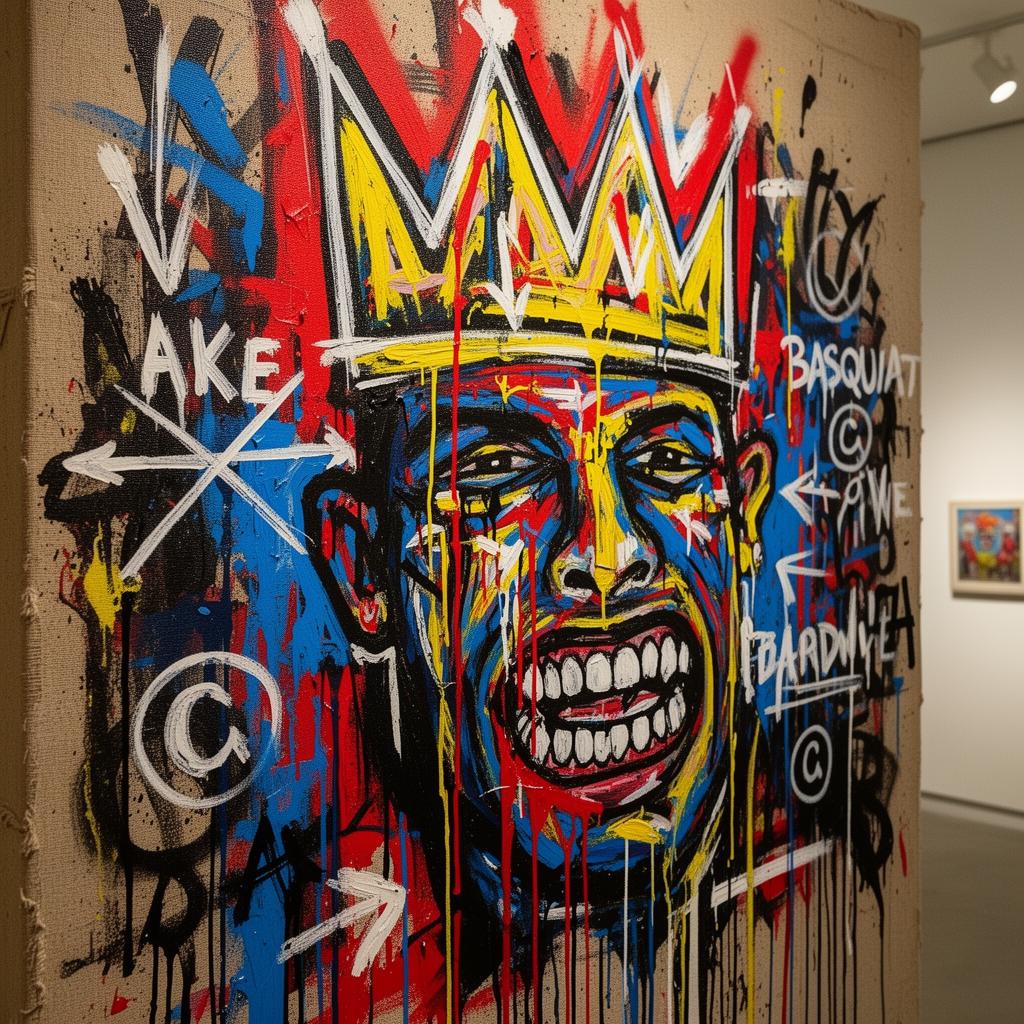
Most new streetwear brands die because they're a logo in search of a reason. The market doesn't need another blank hoodie with a wordmark on it. It needs a perspective — a city, a subculture, a joke, a piece of cinema, a language.
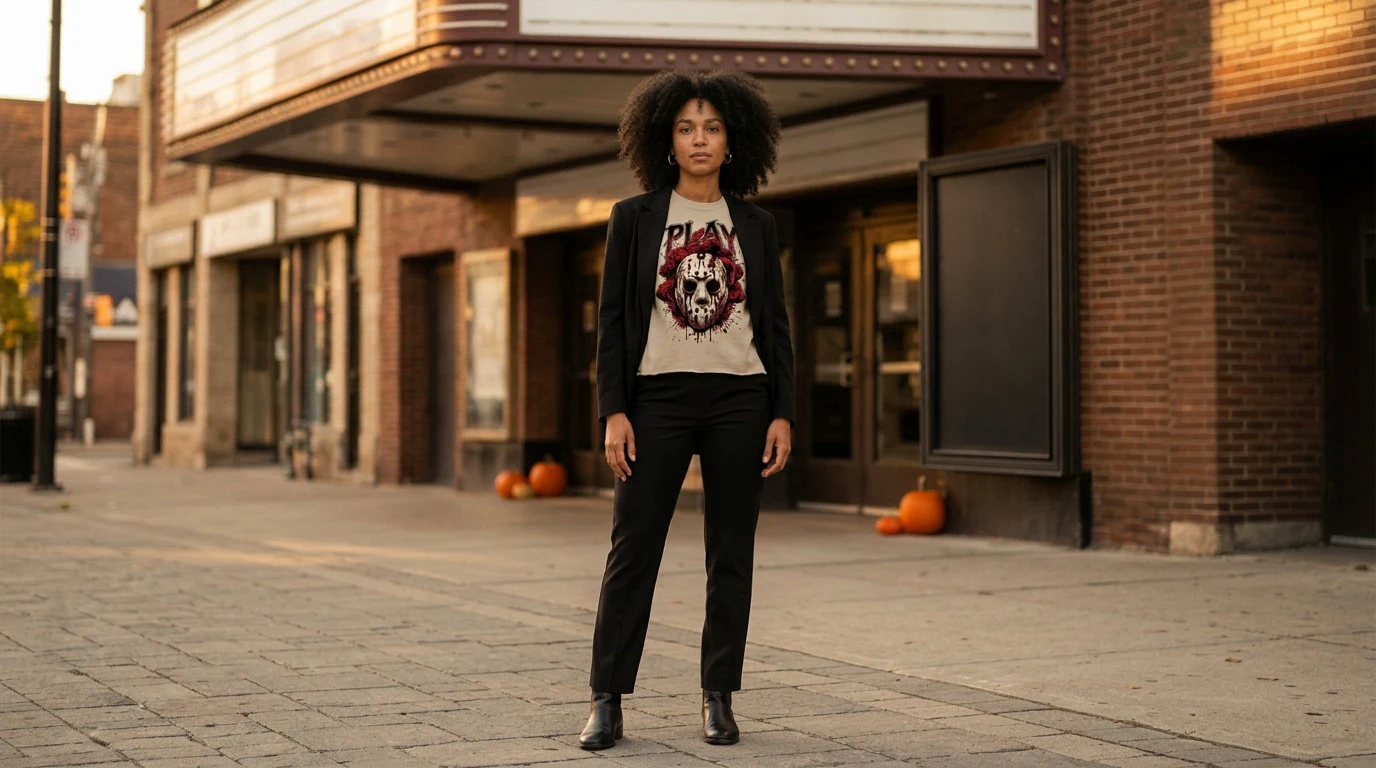
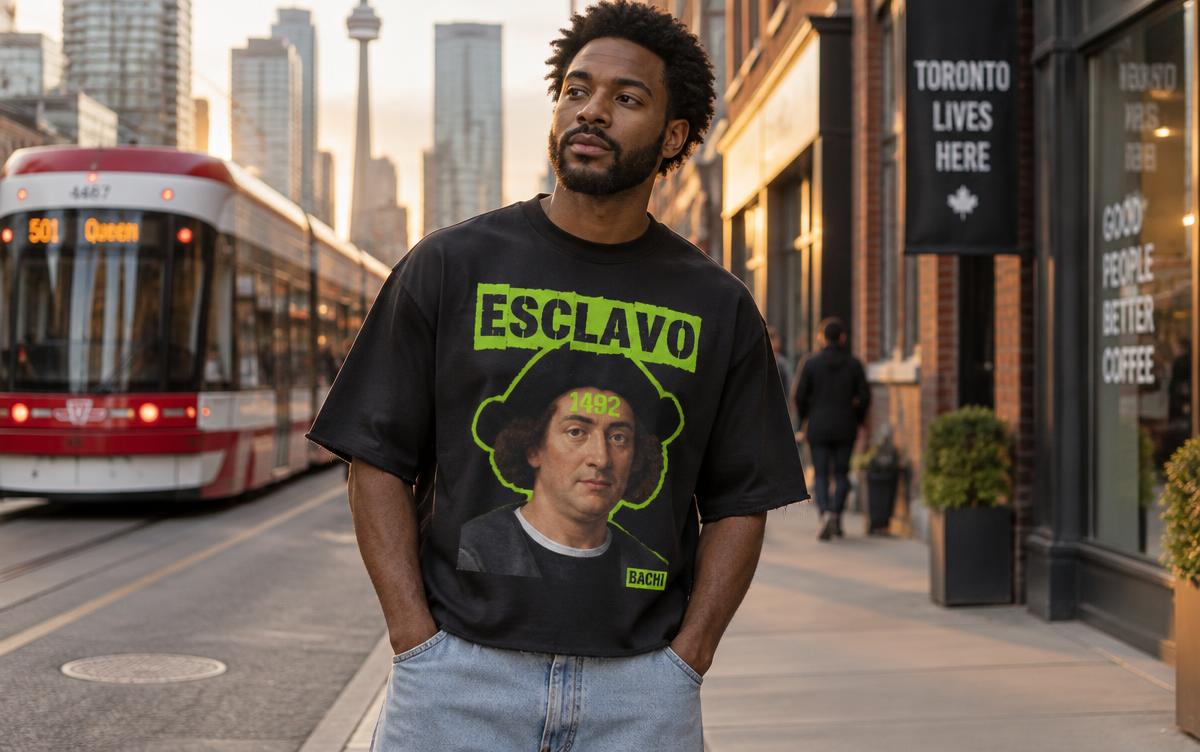
Ours is Toronto and diaspora culture: the 6ix, Latin and Caribbean references, movie iconography, and a running alien motif that means "outsider." You can see it across the full catalog. When your point of view is clear, the designs write themselves and your customers do the marketing for you.
2. Print-on-Demand vs. Bulk Manufacturing
This is the fork in the road, and it decides your entire cost structure.
- Print-on-demand — nothing gets made until someone buys. Zero inventory risk, higher cost per unit, thinner margin. This is how we started and still operate. You can launch a full catalog for under a few hundred dollars.
- Bulk / cut-and-sew — you order 50–300 units up front. Much better unit economics and full control over fabric and fit, but you're paying thousands before you know if the design sells, and you're storing boxes in your apartment.
Honest advice: start print-on-demand, prove the designs, then bulk-order only your top three sellers. Let the data pick your inventory instead of your ego.
3. What It Actually Costs to Launch
A realistic first-year budget for a print-on-demand streetwear brand, in USD:
- Store platform — roughly $30–40/month.
- Domain — $10–20/year.
- Sample units — $150–400. Non-negotiable. Order every product you plan to sell and wear it.
- Product photography — $0 if you shoot samples on your phone in daylight; a few hundred if you hire.
- Design work — $0 to a few hundred per graphic depending on whether you draw it yourself.
- Business registration — varies by province/state, usually under $100.
- Ads — budget nothing until the store converts organically at least once.
You can be live for under $700 all in. Anyone quoting you $10,000 to start is selling you a course.
4. Order Samples. Wear Them. For Weeks.
The fastest way to kill a young brand is shipping a garment you've never touched. Fabric weight, shrinkage after three washes, how the print cracks, whether the neck stretches out — you only learn this by wearing it. Every fit note on our product pages exists because somebody on the team put the piece through a Toronto winter first.
5. Build the Store Like a Shopper, Not a Designer
Pretty stores don't convert; clear ones do. The essentials:
- Size charts on every product — the single biggest driver of returns in apparel.
- Real photos on real people, not just flat mockups.
- Shipping cost and delivery time visible before checkout. Surprise shipping is the number one reason carts get abandoned.
- A returns policy a human can read. Ours is a plain 30-day return window.
- Fast pages. Streetwear traffic is mobile traffic, and mobile traffic leaves.
6. Price for Survival, Not for Ego
Take your landed cost per unit, then multiply by 2.2 to 2.5. That covers the product, the payment fees, the ad cost of acquiring the buyer, and the inevitable return. If the resulting price feels too high for the quality, your product is the problem, not the price.
7. Marketing: Content First, Ads Second
Ads amplify something that's already working; they don't create demand from nothing. In order:
- Post fits, not products. Nobody shares a product photo. People share outfits, city shots, and behind-the-scenes.
- Send five to ten pieces to micro-creators in your city with genuine audiences. Cheaper and more credible than a paid post.
- Collect emails from day one. Your list is the only audience a platform can't take away from you.
- Then run ads — small daily budget, one landing page, one offer.
8. The Legal and Trademark Part Everyone Skips
Build creator stories around real interests
A food creator, a DJ and a tech reviewer could each wear the same hoodie and tell completely different stories. Give them room to connect it to a normal day: a market visit, a rehearsal, a desk-to-coffee-break outfit. Choose people whose existing work fits your brand instead of asking someone to suddenly become a fashion expert.
Agree on deliverables and permission to reuse photos before a collaboration starts. Ask for an honest fit review, not a scripted claim that a garment is the best ever. Paid or gifted relationships need clear disclosure; a recognizable face is not a substitute for evidence about quality or fit.
The FTC's Disclosures 101 for Social Media Influencers explains that free products can count as a material connection, not just cash payments. Make the disclosure easy to notice alongside the endorsement, rather than burying it after a long list of tags. That makes the story more transparent for the people watching it.
Two rules that will save you a takedown notice: don't put another brand's logo on your garment, and be careful with celebrity likenesses and film stills. Reference culture, don't copy assets. Register your own brand name early — it's cheap compared to rebranding after you've built an audience.
9. Expect the First Six Months to Be Quiet
Very few brands sell out a first drop. What actually happens is a slow build: a few orders from friends, a stranger's order that makes your day, a creator post that brings ten more. The brands that make it are the ones still posting in month seven.
The Short Version
Have a point of view. Start print-on-demand. Order samples and wear them. Make the store clear before you make it pretty. Price at 2.2x+. Build content before you buy ads. Keep going past the quiet months.
If you want to see how all of that looks in practice, browse our collections, read the 2026 streetwear trends report for where the market's heading, or the Bachi origin story for why we started in the first place.
Shop The Look
Explore our latest streetwear collection inspired by this article
Comments (0)
Join our community discussions! Your insights help others discover great streetwear content.Visit our Community Forum